
2026
Nov 6
Title to be announced
Hari Trivedi · Associate Professor, Radiology and Biomedical Informatics, Emory University
PAC-AID hosts two kinds of events: PAC-AID Talks, a monthly seminar series on AI and data science in medicine, and workshops and training for investigators and trainees. Special events and talk recaps are written up in our news feed.
To suggest a speaker for PAC-AID Talks, contact abunnell@hawaii.edu.
PAC-AID Talks · via Zoom
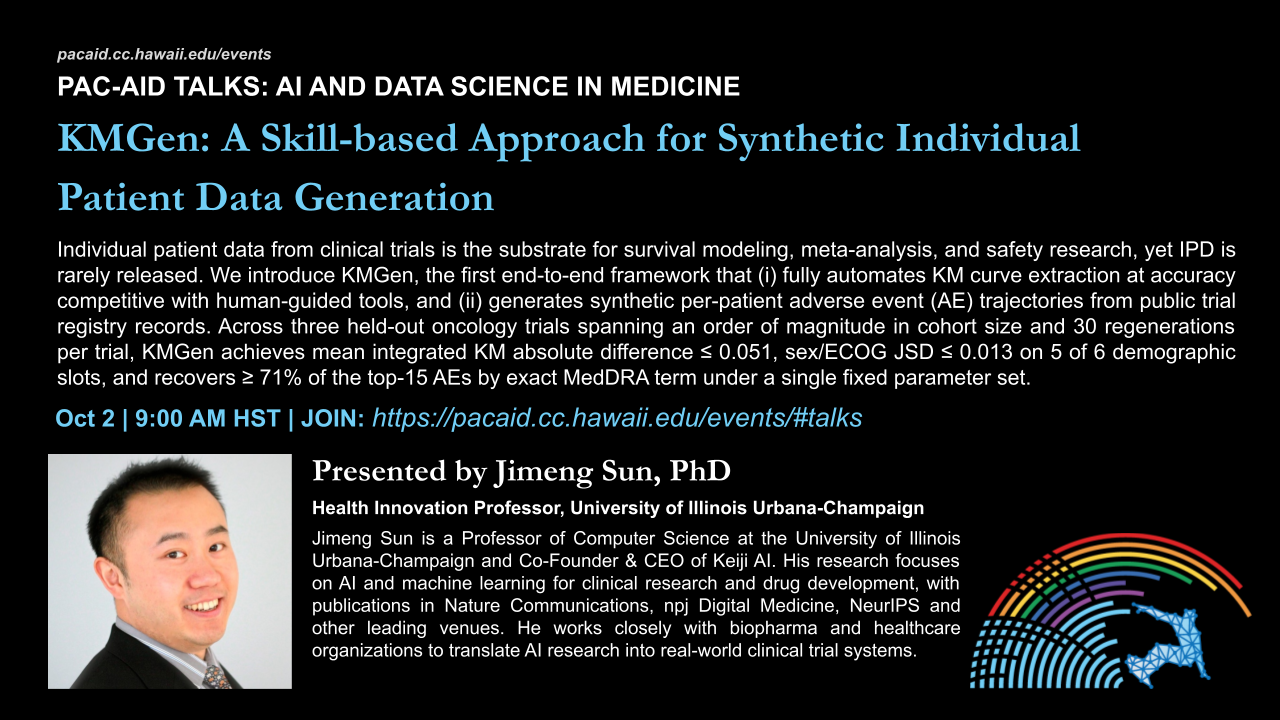
Jimeng Sun · Health Innovation Professor, Siebel School of Computing and Data Science and Carle Illinois College of Medicine, University of Illinois Urbana-Champaign
KMGen: A Skill-based Approach for Synthetic Individual Patient Data Generation
Individual patient data (IPD) from clinical trials is the substrate for survival modeling, meta-analysis, and safety research, yet IPD is rarely released. Prior work has addressed only half of this gap: reconstructing Kaplan–Meier (KM) curves from published plots — typically requiring manual digitization or human-in-the-loop correction — while offering no mechanism for generating the adverse-event (AE) streams that constitute the other half of a patient record.
We introduce KMGen, the first end-to-end framework that (i) fully automates KM curve extraction at accuracy competitive with human-guided tools, and (ii) generates synthetic per-patient AE trajectories from public trial registry records. Across three held-out oncology trials spanning an order of magnitude in cohort size and 30 independent regenerations per trial, KMGen achieves mean integrated KM absolute difference ≤ 0.051, sex/ECOG JSD ≤ 0.013 on 5 of 6 demographic slots, and recovers ≥ 71% of the top-15 AEs by exact MedDRA term under a single fixed parameter set.
Use this link to join the talk at the appropriate time.
Our speaker queue, newest confirmed talks first. PAC-AID Talks meets monthly — usually the first Friday — at 9:00 AM HST via Zoom; use the link above to join any talk.
Hari Trivedi · Associate Professor, Radiology and Biomedical Informatics, Emory University
Yilin Song · Postdoctoral Research Scientist, Columbia Mailman School of Public Health
A monthly seminar discussing current trends and applications of artificial intelligence and data science in medicine and clinical practice. We bring together AI researchers from computer science, engineering, nutrition, epidemiology, and radiology with clinicians and patient advocates.
Open to all backgrounds. Students, trainees, and faculty with any (or no) background in AI are welcome — the goal is to foster collaborative interactions that improve health in Hawaiʻi and the Pacific.
Cadence. Monthly — usually the first Friday — at 9:00 AM Hawaiʻi time, via Zoom.
Continuing the AIPHI series. PAC-AID Talks continues the monthly seminar formerly run by the AI Precision Health Institute (AIPHI), which was rebranded as PAC-AID in June 2026. The first talk under the PAC-AID name is in July 2026; earlier talks in the full archive were held as AIPHI, and their announcement graphics carry the AIPHI name.
Mailing list
One email when each month’s speaker is announced, plus a short reminder the day before. That’s it — no other mail, and you can unsubscribe from any message.
The three most recent of 33 talks. Recordings are on the PAC-AID Talks YouTube channel ↗. Talks before July 2026 were part of the Artificial Intelligence Precision Health Institute, which was absorbed into PAC-AID.
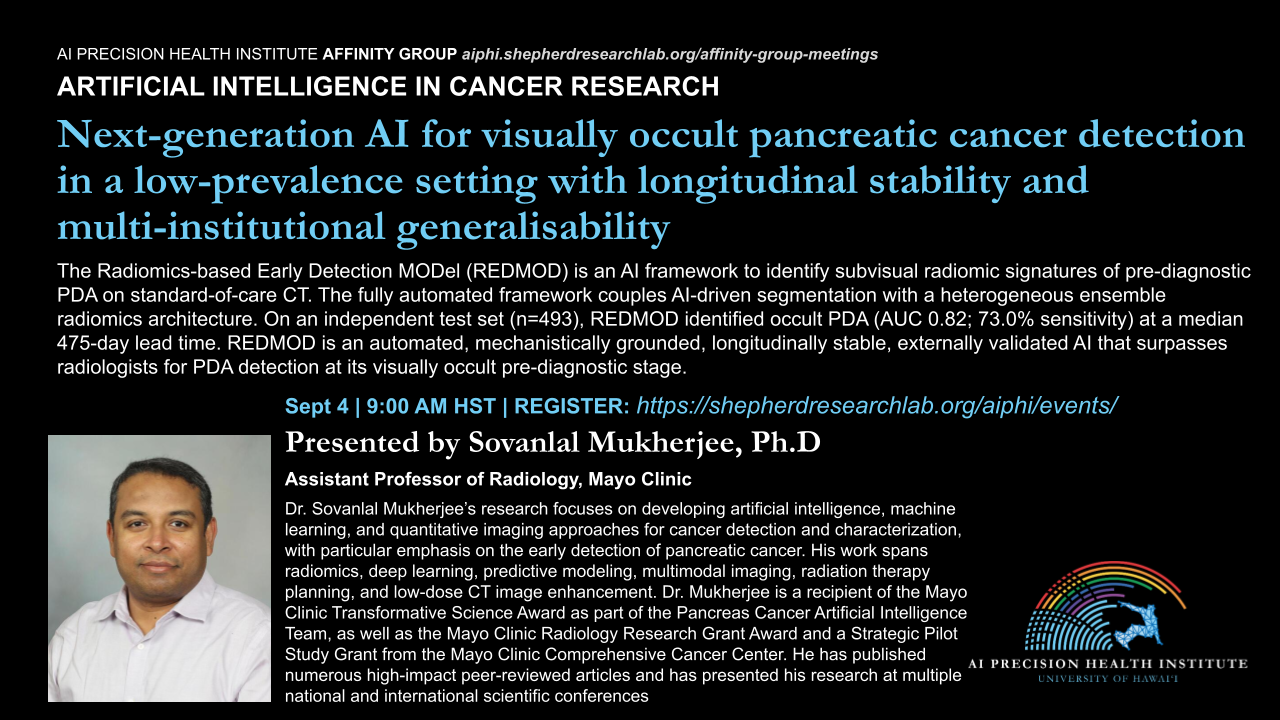
Sovanlal Mukherjee · PhD; Assistant Professor of Radiology, Mayo Clinic, Rochester, Minnesota
Failure of conventional imaging to detect pancreatic ductal adenocarcinoma (PDA) at its visually occult pre-diagnostic stage is a primary barrier to improving its otherwise poor survival. Over 85% of cases are diagnosed at an unresectable stage, and sporadic PDA — 85-90% of all cases — still has no recognised early detection strategy. This talk introduces REDMOD (Radiomics-based Early Detection MODel), a fully automated AI framework that identifies subvisual radiomic signatures of pre-diagnostic PDA on standard-of-care CT. REDMOD couples AI-driven volumetric pancreas segmentation with a heterogeneous ensemble classifier (logistic regression, random forest, XGBoost) trained on a 40-feature radiomic signature, and was deliberately validated in a low-prevalence setting (~6:1 control-to-case ratio) that reflects real early-detection cohorts rather than the balanced case-control designs used in earlier work.
On an independent test set of 493 scans, REDMOD detected occult PDA with an AUC of 0.82 and 73.0% sensitivity at a median lead time of 475 days before clinical diagnosis — nearly twice the sensitivity of board-certified radiologists (38.9%), widening to nearly threefold (68.0% vs 23.0%) for scans acquired more than 24 months before diagnosis. The model held 90-92% test-retest concordance across serial scans and generalised its specificity to independent multi-institutional (81.3%, n=539) and public NIH-PCT (87.5%, n=80) cohorts. Mechanistically, 90% of the selected signature came from multi-scale wavelet-filtered textural features, which significantly outperformed unfiltered features (AUC 0.82 vs 0.74) — suggesting the earliest detectable manifestations of PDA are subtle, diffuse architectural disruptions rather than any discrete mass. The work appears in Gut (2026).
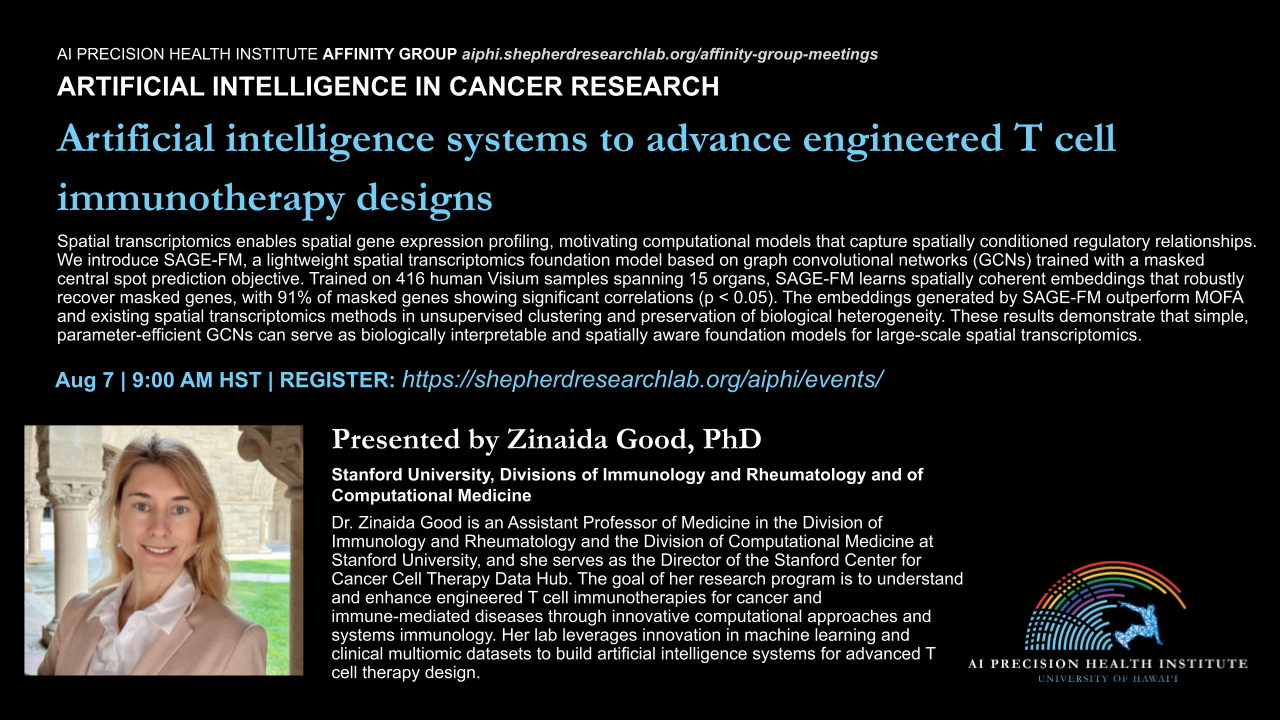
Zina Good · Assistant Professor, Divisions of Immunology and Rheumatology and of Computational Medicine, Stanford University
Spatial transcriptomics enables spatial gene expression profiling, motivating computational models that capture spatially conditioned regulatory relationships. We introduce SAGE-FM, a lightweight spatial transcriptomics foundation model based on graph convolutional networks (GCN) trained with a masked-central-spot prediction objective. Trained on 416 human Visium samples spanning 15 organs, SAGE-FM learns spatially coherent embeddings that recover masked genes robustly, with 91% of masked genes showing significant correlations (p < 0.05).
SAGE-FM generalizes to downstream tasks, enabling 81% accuracy in pathologist-defined spot annotation in oropharyngeal squamous cell carcinoma and improving glioblastoma subtype prediction relative to MOFA. In silico perturbation experiments further show that the model captures directional ligand-receptor and upstream-downstream regulatory effects consistent with ground truth. These results demonstrate that simple, parameter-efficient GCNs can serve as biologically interpretable and spatially aware foundation models for large-scale spatial transcriptomics.
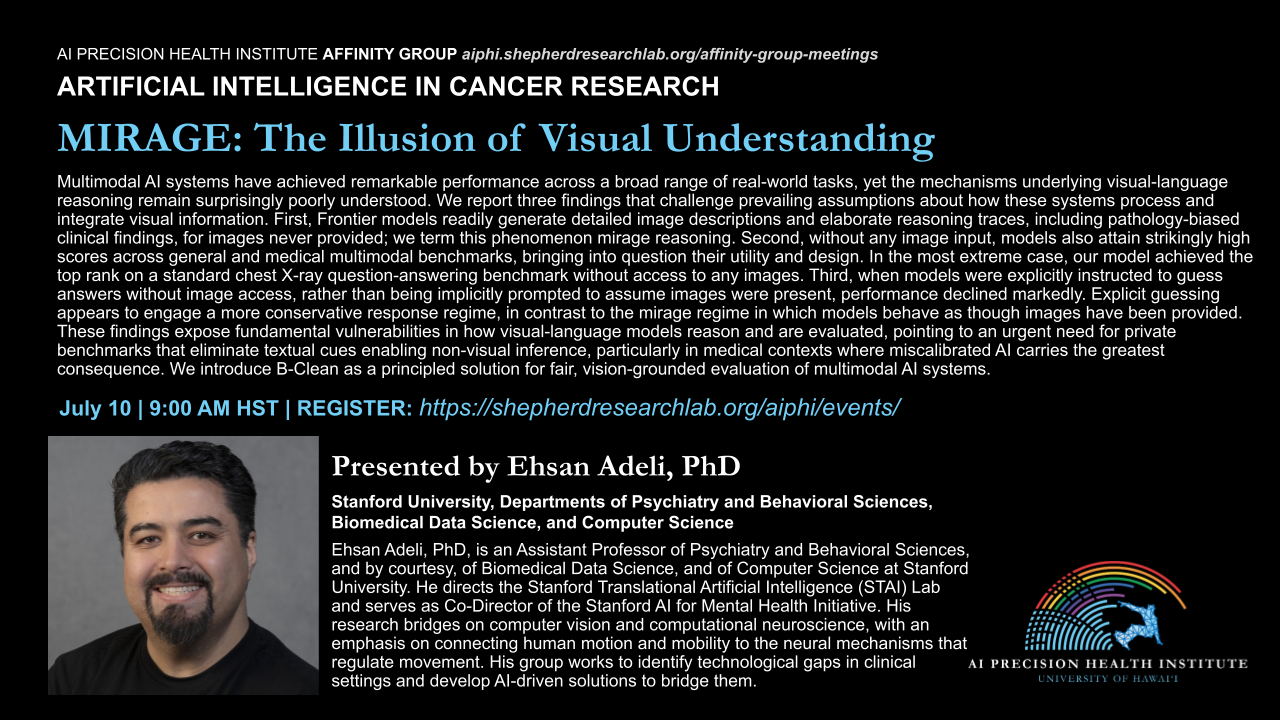
Ehsan Adeli · PhD; Assistant Professor of Psychiatry & Behavioral Sciences (and, by courtesy, Biomedical Data Science and Computer Science); Director, Stanford Translational AI (STAI) Lab; Co-Director, Stanford AI for Mental Health (AI4MH); Stanford University
This work surfaces a class of failure mode the authors call “mirage reasoning” in multimodal foundation models used for medical image understanding. They show that frontier vision-language models will generate detailed, confident image descriptions — including pathology-laden clinical findings — for images that were never actually provided. The models also achieve surprisingly high scores on multimodal benchmarks with no image input at all; in one test, a leading model topped a chest X-ray benchmark while having no access to the underlying images.
When prompted to explicitly guess in the absence of an image rather than implicitly assume one was provided, performance dropped sharply — suggesting the models default to confident fabrication rather than conservative refusal whenever the prompt’s framing allows it. The authors argue this exposes fundamental vulnerabilities in current multimodal evaluation practice and propose B-Clean, an assessment framework for fair, vision-grounded evaluation of multimodal systems in medicine.
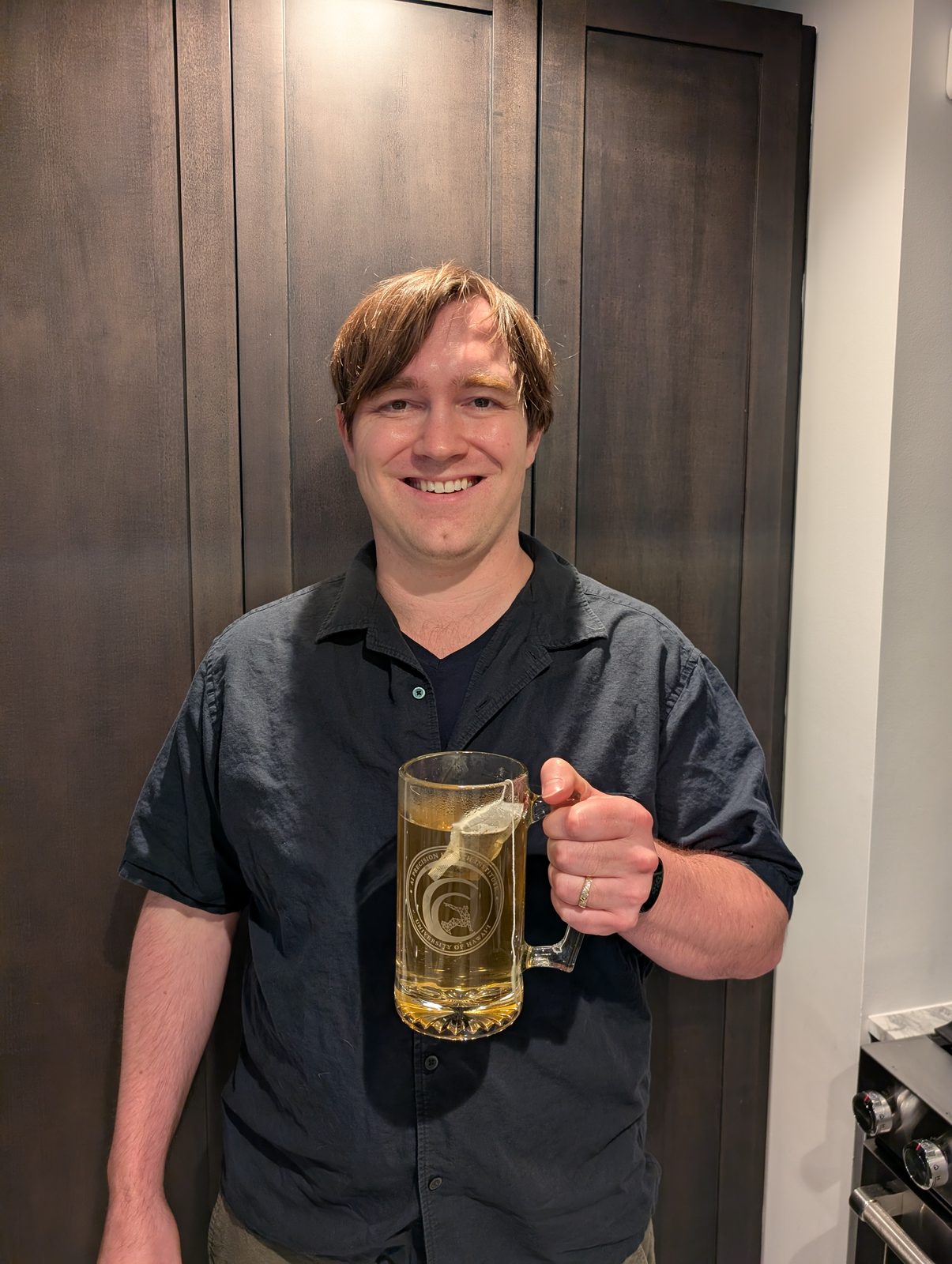
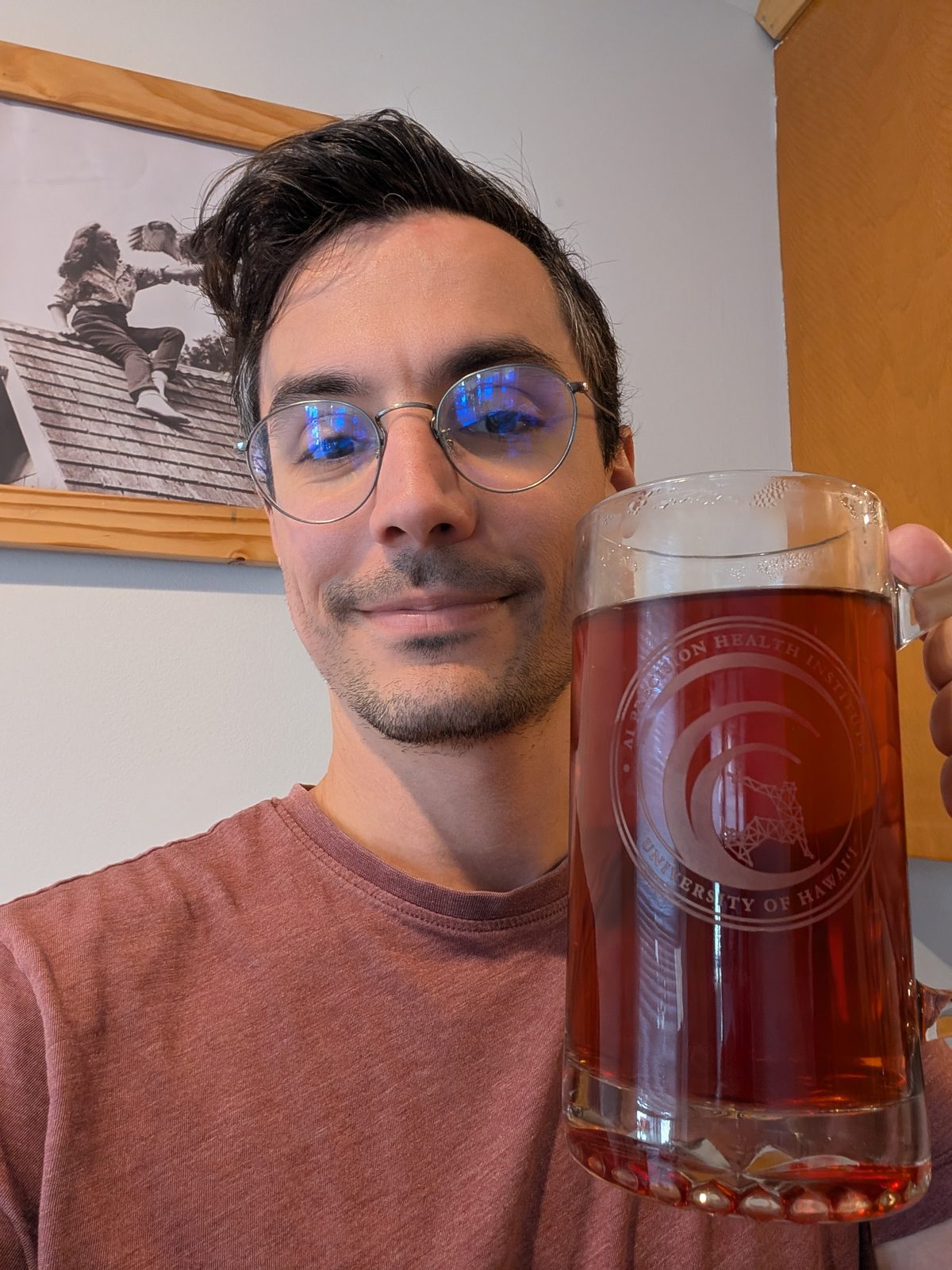
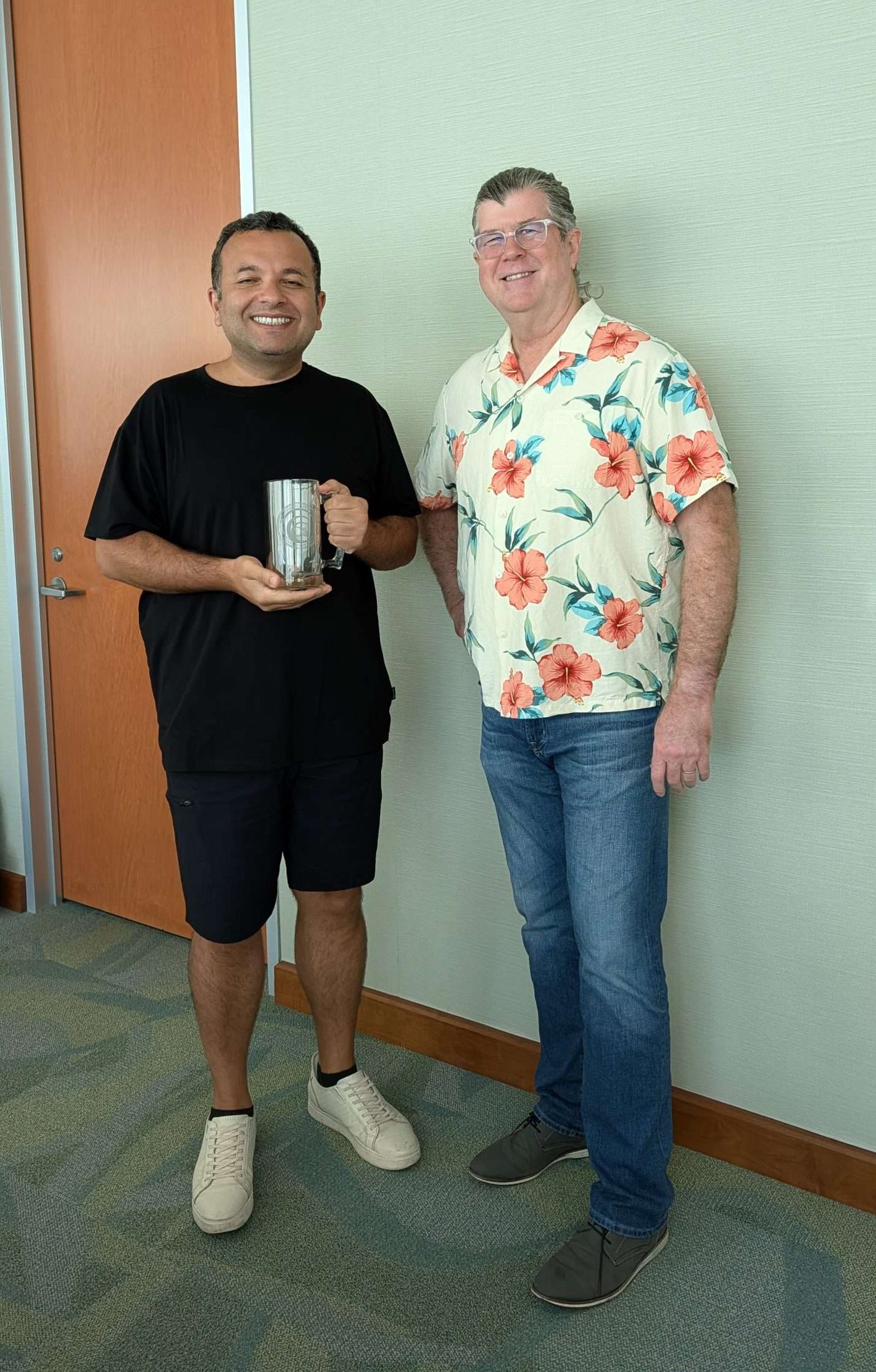
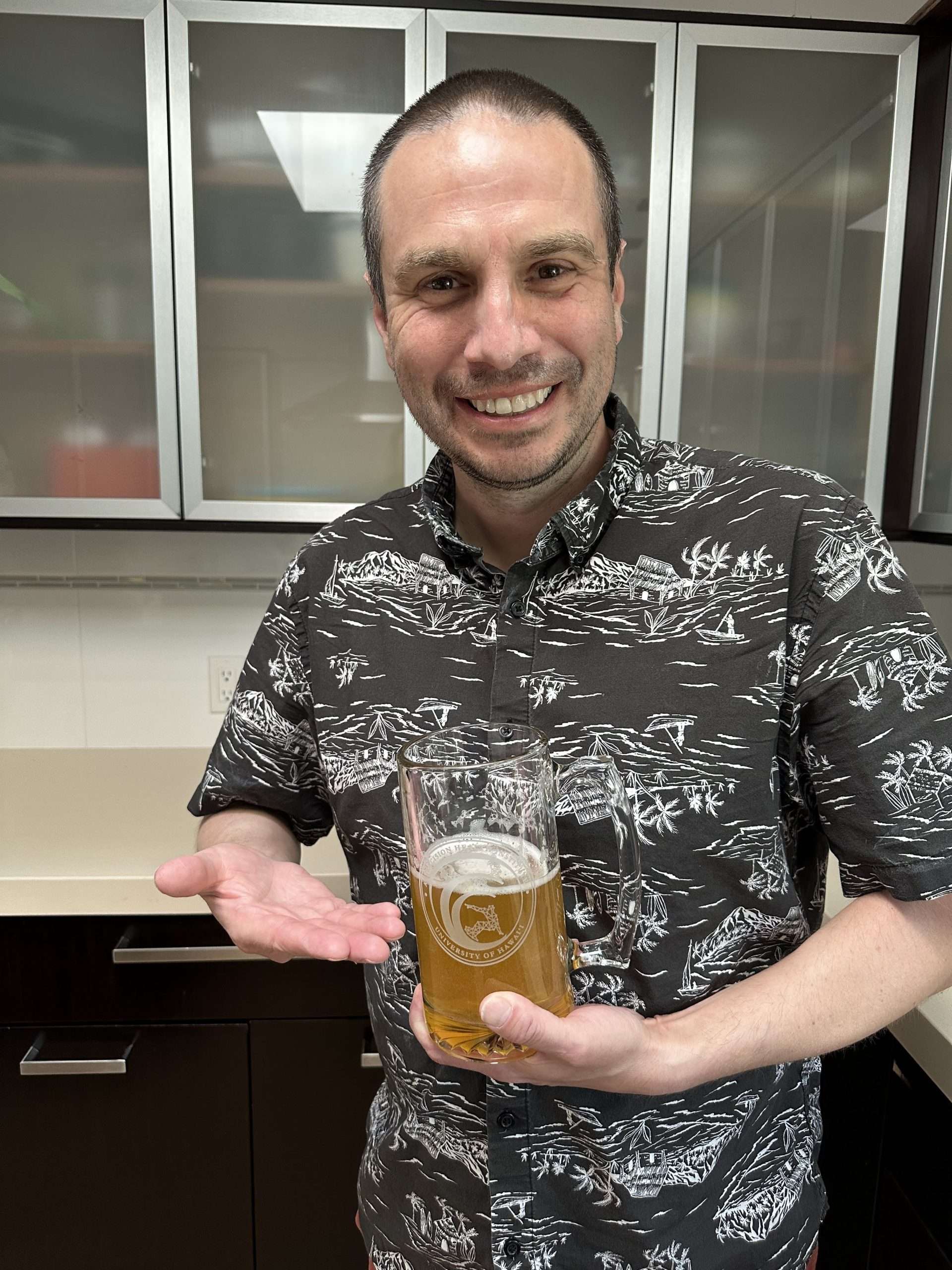
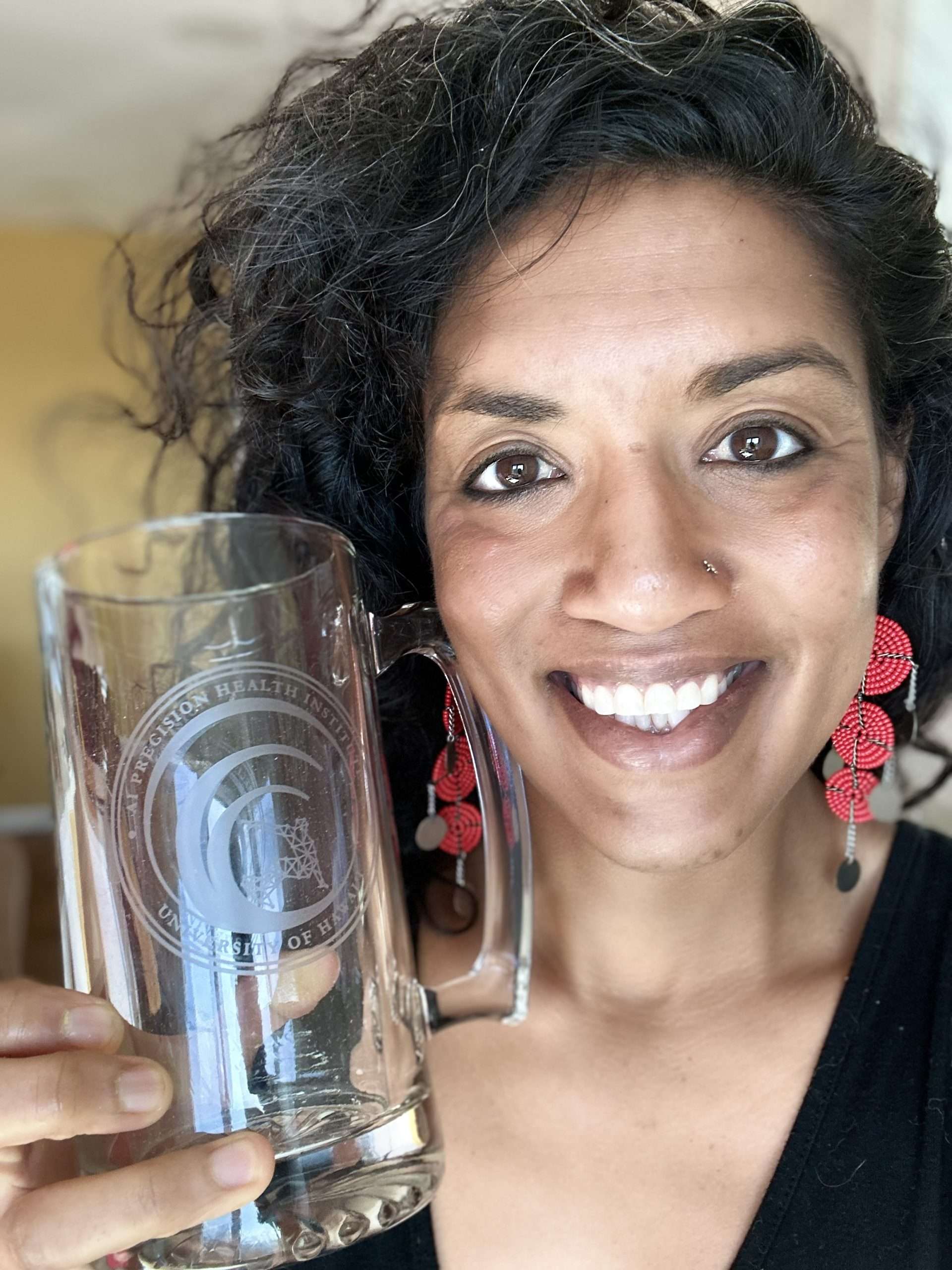
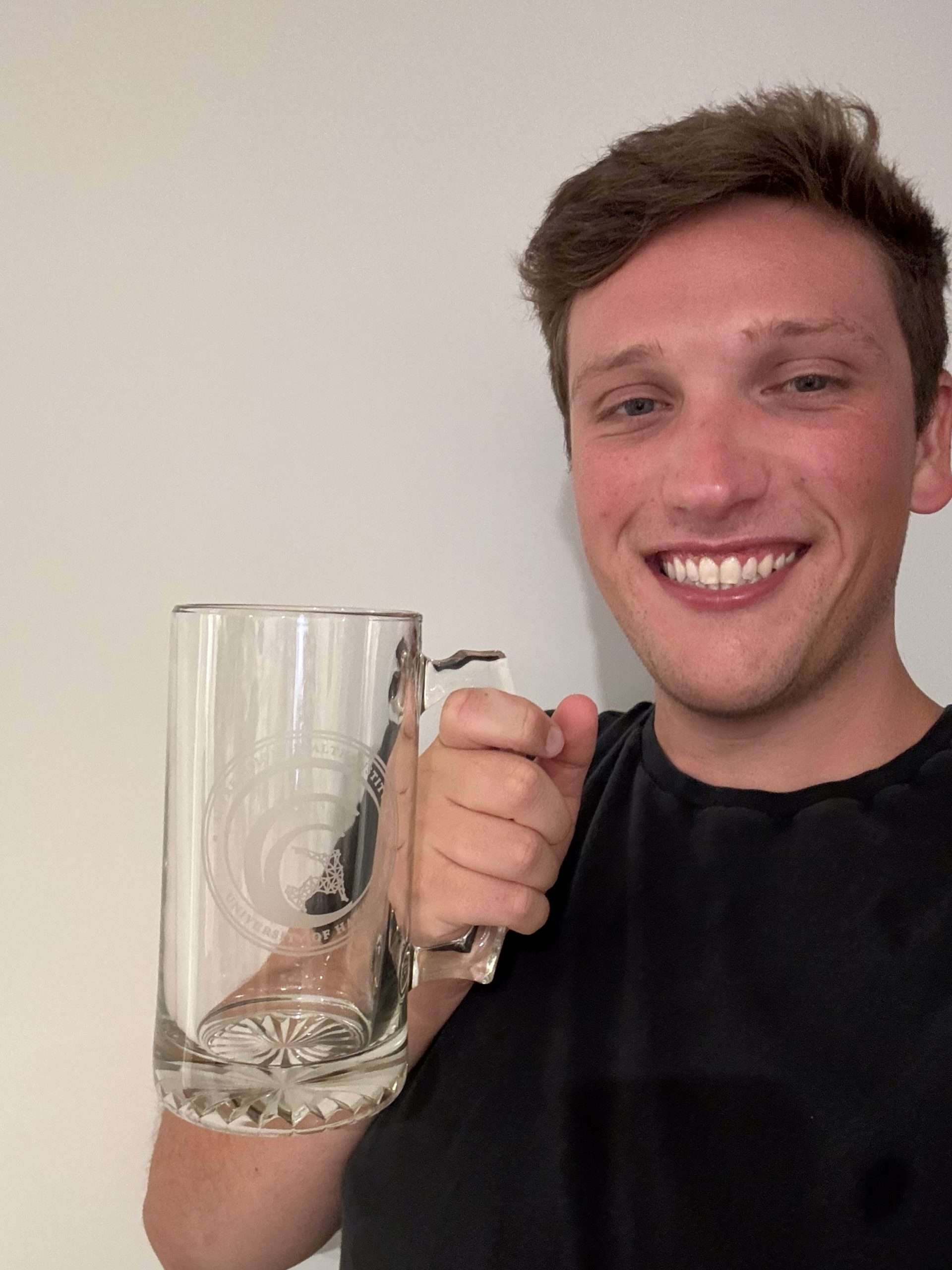
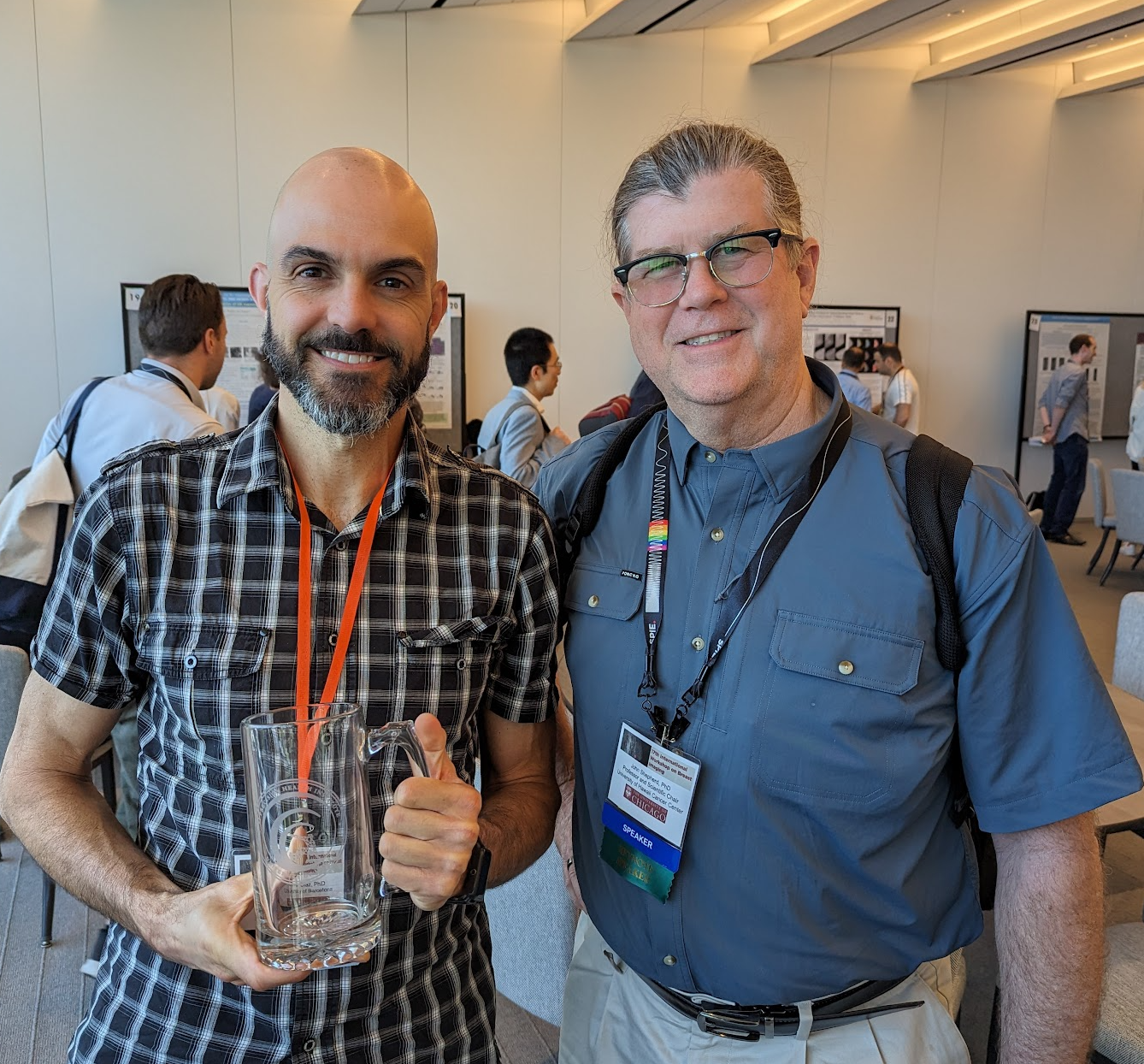
Every PAC-AID Talks speaker receives a custom PAC-AID beer stein as thanks for their contribution. The gallery below grows month by month as speakers send back photos with their stein.

Hands-on workshops, seminars, and career-development events for PAC-AID investigators and trainees. Our first workshops are being scheduled — check back soon, or contact us to be notified. Special events, symposia, and partner sessions are written up in our news feed alongside PAC-AID Talks recaps.